
Car accidents happen in seconds. Metal crunches, glass shatters, airbags burst open, and for a moment, everything is oddly silent. In the aftermath of a car accident, your body is flooded with shock and adrenaline, and you may not feel anything but relief that you can walk away. But the effects on your body can last days, weeks, or even months, and not all of them show up right away.
This is one of the most important things to understand after a collision: feeling okay in the moment does not mean you are okay. Here’s the bottom line: you may feel fine but still be hurt. Remember, your body’s initial reaction can cover up injuries that might show up later.
Why Symptoms Are Often Delayed
During a car accident, your body goes into survival mode. In an instant, it’s like your system gets a natural shot of espresso: powerful chemicals rush through you, numbing pain and sharpening your focus. These stress hormones are there to protect you, temporarily dulling pain signals so you can stay alert and functional in the moment of crisis.
This is why many people walk away from an accident feeling fine, only to wake up the next morning barely able to move.
The adrenaline wears off. And when it does, the pain begins.
The Most Common Physical Responses After a Collision
- Whiplash and Neck Pain are among the most frequently reported injuries after a car accident. Whiplash occurs when the head is suddenly snapped backward and then forced forward — most commonly in rear-end collisions — straining the muscles, tendons, and ligaments in the neck. Symptoms can include stiffness, limited range of motion, headaches, and radiating shoulder pain.
- Back and Spine Pain. The force of a collision — even at low speeds — can put significant stress on the spine. Herniated discs, muscle strains, and lumbar injuries are common. Back pain after an accident may start as mild discomfort and gradually worsen over the next few days.
- Headaches. Post-accident headaches can stem from multiple sources — muscle tension, whiplash, dehydration, or, in more serious cases, a concussion. Headaches that appear hours or days after a collision should never be ignored.
- Soft Tissue Injuries. Muscles, ligaments, and tendons throughout the body absorb a tremendous amount of force during impact. These injuries don’t show up on X-rays, which is why they’re often underestimated — but they can be among the most painful and slow to heal.
- Cognitive and Emotional Changes. Brain fog, difficulty concentrating, irritability, anxiety, and sleep disturbances are all common after a traumatic event. These are not signs of weakness — they are normal physiological responses to physical and emotional stress.
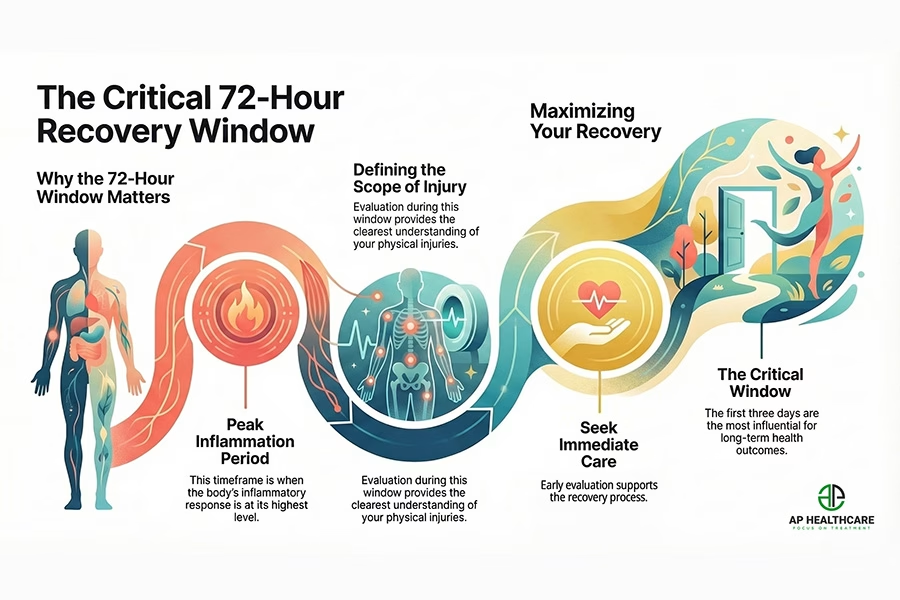
The 72-Hour Window
The sooner you seek care, the better your body's chances of recovering properly.
Why People Wait — And Why That's a Problem
The reality is that untreated injuries after a car accident rarely resolve on their own. What starts as mild neck stiffness can develop into chronic pain. What feels like a minor headache can be the early sign of something that needs attention.
Early evaluation by a provider experienced in post-accident injuries gives your body the best opportunity to recover properly.
How AP Healthcare Can Help
Navigating the healthcare system after an accident is overwhelming — especially when you’re in pain and don’t know where to start.
AP Healthcare works with injured individuals, connecting them with experienced providers who understand post-accident care. We help coordinate appointments, arrange transportation, provide translation services, and keep treatment organized from day one.
To learn more, visit aphealthcare.org or call (404) 850-9600.
This article is for informational purposes only and does not constitute medical advice. Please consult a qualified healthcare provider for guidance specific to your situation. If pain worsens or new symptoms appear, call 911 or visit the emergency room.